Who Is Viltnemnda? Understanding the Role, Importance, and Public Interest Around Viltnemnda
Introduction
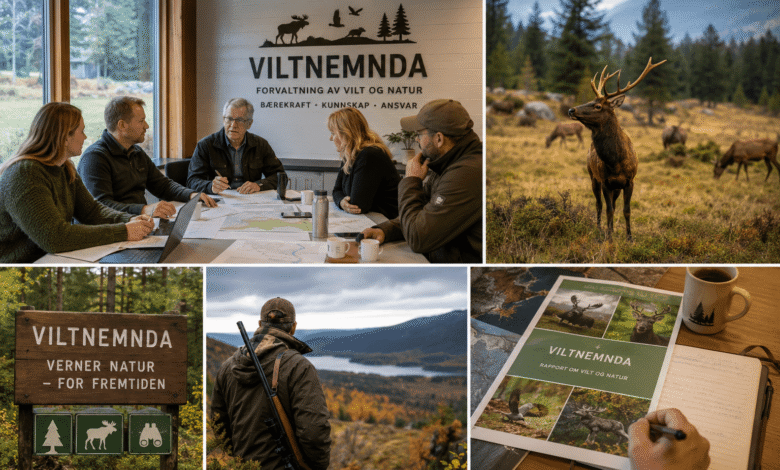
The term viltnemnda has gained attention among people interested in wildlife management, environmental protection, hunting regulations, and nature conservation. Although many individuals search for the meaning of viltnemnda online, there is often confusion regarding what it actually represents. Some people assume it is the name of a person, while others think it is an organization connected to wildlife and forest administration. In reality, viltnemnda is deeply connected to wildlife governance and ecological management systems, especially in Scandinavian regions where nature conservation is considered highly important.
Understanding viltnemnda is valuable because wildlife preservation has become a major global issue. Governments, local authorities, environmental groups, and hunters all depend on structured systems to maintain balance in nature. Viltnemnda plays a role in that balance by helping authorities manage wildlife populations responsibly. From regulating hunting practices to protecting ecosystems, the concept behind viltnemnda reflects the growing need for organized environmental administration.
In recent years, increased public interest in sustainability and conservation has caused more people to search for information related to wildlife councils and environmental boards. That is one reason why the keyword viltnemnda continues to appear in online discussions and informational searches. This article explains its meaning, purpose, functions, and significance in a detailed yet simple way.
Quick Bio of Viltnemnda
| Category | Details |
|---|---|
| Name | Viltnemnda |
| Type | Wildlife Management Council/Committee |
| Main Purpose | Wildlife regulation and conservation |
| Region Associated | Scandinavian countries, especially Norway |
| Related Areas | Hunting laws, environmental protection, wildlife population control |
| Focus | Sustainable wildlife management |
| Role in Society | Supports ecological balance and conservation policies |
| Connected With | Local governments and environmental authorities |
| Public Interest | Hunting regulations, conservation, ecology |
| Importance | Protects wildlife while balancing human activities |
What Does Viltnemnda Mean?
The word viltnemnda comes from Scandinavian language roots. The term is commonly associated with wildlife committees or councils responsible for overseeing matters related to animals living in natural environments. In simple terms, viltnemnda refers to a body or authority involved in managing wildlife populations and ensuring that environmental rules are followed correctly.
These councils are often linked to local government systems. Their responsibility is not limited to protecting animals alone. They also consider agriculture, forestry, public safety, ecological stability, and sustainable hunting practices. Because wildlife populations can affect human communities in many ways, organizations like viltnemnda are considered highly important in maintaining harmony between people and nature.
The growing interest in environmental sustainability has made such committees more relevant than ever before. As climate change and habitat destruction continue to affect wildlife populations worldwide, authorities rely on structured management systems like viltnemnda to make informed decisions regarding conservation policies.
The Main Responsibilities of Viltnemnda
One of the most important aspects of viltnemnda is its broad range of responsibilities. These responsibilities often vary depending on the region, local laws, and environmental conditions. However, the overall mission usually remains focused on sustainable wildlife management.
A major responsibility involves monitoring animal populations. Wildlife species can increase or decrease rapidly depending on environmental conditions, hunting activity, and habitat changes. Viltnemnda helps authorities track these changes and recommend suitable actions. This may include hunting quotas, conservation measures, or population control programs.
Another key responsibility is managing hunting regulations. Hunting remains a traditional activity in many countries, but it must be carefully regulated to avoid ecological damage. Viltnemnda contributes by ensuring hunting practices follow environmental guidelines and remain sustainable over time.
In addition, wildlife protection is a central focus. Some species may become endangered due to habitat loss, climate change, pollution, or illegal hunting. Wildlife committees often work with environmental experts to create strategies that protect vulnerable species while preserving biodiversity.
Public education is another important area. Many people are unaware of how wildlife systems function or why environmental balance matters. Viltnemnda-related organizations may provide information campaigns, public guidance, and awareness programs that encourage responsible interaction with nature.
Why Viltnemnda Is Important for Wildlife Conservation
Modern environmental systems depend heavily on organized wildlife management. Without proper oversight, ecosystems can become unstable very quickly. This is where viltnemnda becomes highly valuable.
Wildlife populations naturally fluctuate over time. If predators disappear, prey populations may increase excessively and damage forests or farmland. On the other hand, overhunting can reduce animal populations to dangerous levels. Viltnemnda helps create policies that maintain healthy population levels for different species.
Another important reason for its significance is ecological sustainability. Healthy ecosystems support clean water, forest regeneration, climate stability, and biodiversity. Wildlife councils help maintain these systems by balancing human activities with environmental needs.
The committee’s role is also connected to human safety. In some regions, large wildlife populations can create traffic accidents, agricultural damage, or conflicts with communities. Proper management reduces these risks while protecting both humans and animals.
In many ways, viltnemnda represents a modern approach to environmental responsibility. Instead of allowing uncontrolled exploitation of wildlife, these systems encourage scientific management and long-term ecological thinking.
The Connection Between Viltnemnda and Hunting Regulations
Hunting has existed for centuries as part of cultural traditions and food systems. However, modern hunting requires strict regulation to ensure sustainability. This is one area where viltnemnda plays an influential role.
Wildlife committees often participate in determining hunting seasons, quotas, and species-specific rules. These regulations are based on scientific studies and population monitoring. If a species becomes vulnerable, hunting restrictions may increase. If populations become excessively large, controlled hunting may be allowed to maintain ecological balance.
This balance is extremely important because unregulated hunting can severely damage ecosystems. At the same time, completely banning hunting in certain areas may create overpopulation problems. Viltnemnda helps authorities find practical solutions that consider environmental, cultural, and economic factors.
Hunters, farmers, environmentalists, and government officials may all interact with wildlife management committees. Because of this, viltnemnda often acts as a bridge between different community interests.
Public Interest and Online Searches About Viltnemnda
The internet has significantly increased awareness about environmental issues. Many people now search for terms like viltnemnda to understand wildlife policies, conservation systems, and local environmental authorities.
There are several reasons for this growing curiosity. First, climate change discussions have made wildlife conservation a global topic. People want to know how governments manage ecosystems and protect biodiversity.
Second, hunting regulations frequently attract public attention. Changes in hunting laws or wildlife policies often lead individuals to search for organizations connected to those decisions. Viltnemnda becomes relevant in such situations because it may influence local wildlife management policies.
Third, educational interest continues to grow. Students, researchers, environmental activists, and nature enthusiasts frequently search for wildlife management systems to better understand ecological governance.
Because environmental sustainability has become one of the world’s biggest concerns, terms connected to wildlife administration are likely to remain important in public discussions.
Challenges Faced by Viltnemnda
Like many environmental organizations, viltnemnda faces several challenges in modern society. One major challenge is climate change. Rising temperatures, habitat destruction, and changing migration patterns can affect wildlife populations in unpredictable ways.
Another challenge involves balancing different interests. Hunters may support certain wildlife policies while conservation groups prefer stricter protections. Farmers may worry about crop damage caused by animals, while environmentalists focus on preserving biodiversity. Viltnemnda often needs to balance these competing perspectives carefully.
Limited resources can also create difficulties. Wildlife monitoring, scientific research, and conservation projects require funding and expertise. Smaller regions may struggle to maintain effective management systems.
Illegal hunting and habitat destruction remain additional concerns. Even with strong regulations, enforcing wildlife laws can be challenging in remote areas.
Despite these obstacles, wildlife management committees continue to play a critical role in environmental protection and sustainable ecological planning.
The Future of Viltnemnda and Wildlife Management
The future of viltnemnda will likely become even more important as environmental challenges increase globally. Governments and communities are realizing that wildlife conservation cannot be ignored. Sustainable management systems are essential for protecting ecosystems and maintaining biodiversity.
Technology may also improve wildlife management practices. Modern tools such as satellite tracking, drone monitoring, and ecological data analysis can help committees make more accurate decisions about animal populations and environmental conditions.
Public awareness is another positive factor. Younger generations are becoming increasingly interested in sustainability, conservation, and environmental ethics. This growing awareness may strengthen support for wildlife management organizations in the future.
International cooperation could also play a larger role. Wildlife populations often cross national borders, making global collaboration important for effective conservation efforts.
Ultimately, viltnemnda represents more than just an administrative system. It reflects humanity’s effort to coexist responsibly with nature while protecting ecological balance for future generations.
Conclusion
Viltnemnda is an important concept connected to wildlife management, conservation, hunting regulation, and ecological sustainability. Although many people initially search for viltnemnda without fully understanding its meaning, it represents a structured approach to protecting wildlife and balancing environmental needs with human activities.
From monitoring animal populations to guiding hunting regulations and promoting biodiversity, viltnemnda plays a vital role in modern environmental systems. Its importance continues to grow as climate change, habitat destruction, and ecological concerns become more serious around the world.
The increasing public interest in sustainability has also made wildlife management organizations more visible in online discussions. People want to understand how ecosystems are protected and how environmental decisions are made. Viltnemnda serves as an example of organized, responsible wildlife governance designed to preserve nature for future generations.
As environmental challenges continue to evolve, the role of wildlife councils like viltnemnda will likely become even more significant in shaping sustainable and balanced ecosystems.
FAQs About Viltnemnda
1. What is viltnemnda?
Viltnemnda is generally known as a wildlife management committee or council associated with environmental protection and wildlife regulation.
2. Is viltnemnda a person or an organization?
Viltnemnda is not a person. It is a term connected to wildlife management authorities or committees.
3. What does viltnemnda do?
It helps manage wildlife populations, hunting regulations, conservation efforts, and ecological balance.
4. Why is viltnemnda important?
Viltnemnda is important because it supports sustainable wildlife management and protects ecosystems from imbalance.
5. Where is the term viltnemnda commonly used?
The term is mainly associated with Scandinavian regions, especially Norway, where wildlife management systems are highly organized.